By Krystal Meldrum
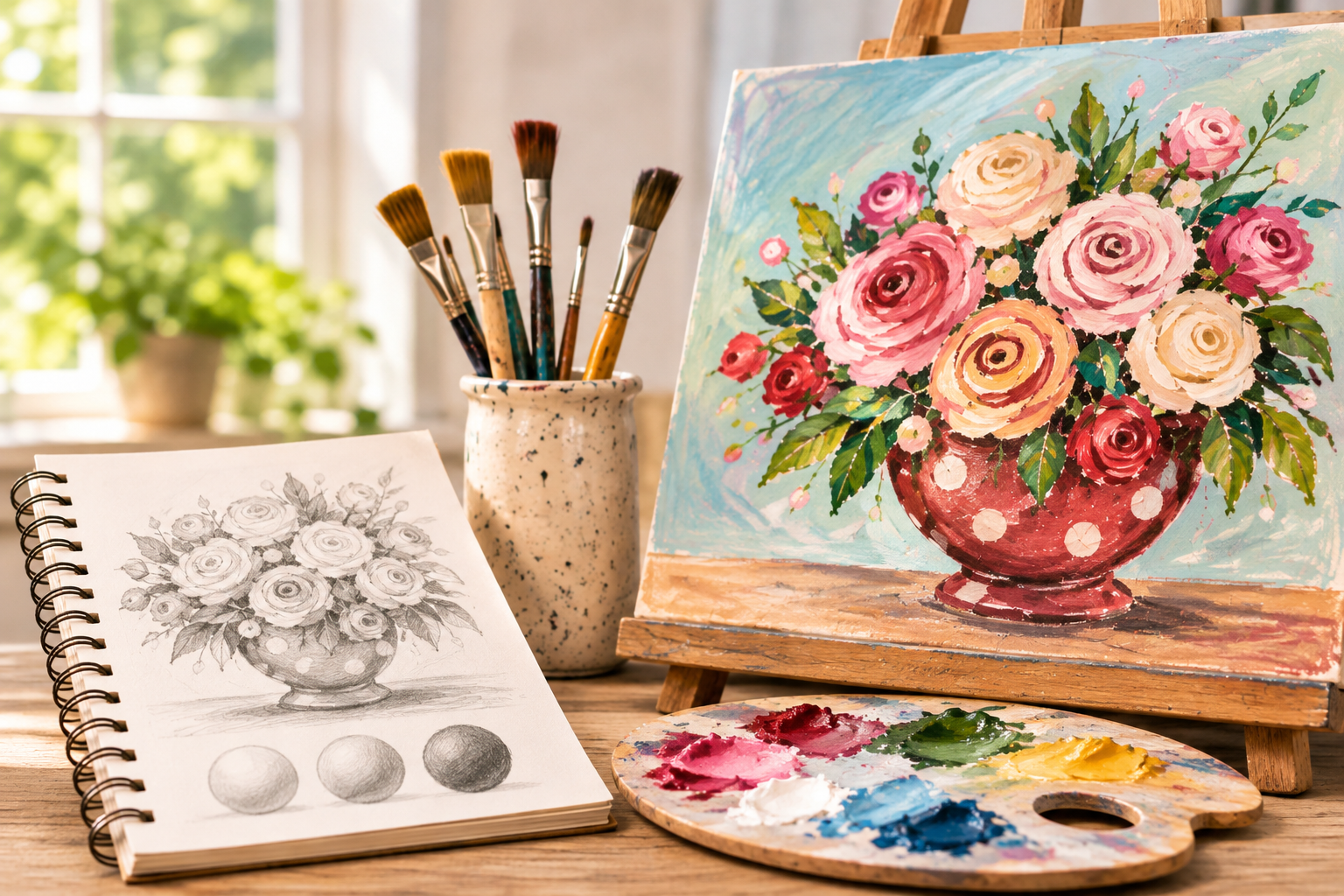
Imagine spending hours creating a beautiful painting, only to hear someone say, “I don't like it!”
Ouch!
Art critiques can be one of the most valuable learning experiences in an art classroom—or one of the most discouraging.
I believe students need to learn not only how to create art, but how to talk about it.
A thoughtful critique teaches children to observe carefully, think critically, communicate respectfully, and learn from one another.
And just like drawing and painting, giving constructive feedback is a skill that can be taught!
Art Critiques Should Build Artists, Not Tear Them Down
Critique the artwork, not the artist!
Students often take criticism personally because they've invested their time, effort, and emotions into their creations.
That's why I want to establish a classroom culture where students feel safe sharing their artwork and ideas.
Before beginning an art critique, we need to teach students how to listen, respond, and disagree respectfully.
I call this setting our discussion norms.
How Do We Talk About Art?
Listen with respect. Speak with purpose.
In my classroom, students will practice these simple expectations:
Listen without interrupting.
Take turns and invite quieter students to participate.
Disagree with ideas, not people.
Support opinions with evidence from the artwork.
Ask thoughtful questions.
Offer suggestions with kindness.
Students need to understand that different opinions are welcome!
Two artists might interpret the same painting differently. That's part of what makes art so fascinating.
We can disagree respectfully and still learn from one another.
Teach Students to Think and Speak Like Artists
Go beyond “I like it!”
In education, we call these skills discipline-specific demands—the particular ways students must think, speak, and work within a subject.
Artists use vocabulary such as composition, focal point, contrast, value, texture, line, and color to explain their decisions.
Instead of saying, “Your painting looks weird,” students can learn to say:
“The focal point could be stronger if you increased the contrast.”
Instead of saying, “I love it!” they might explain:
“The warm colors create an inviting atmosphere!”
These small changes transform personal opinions into meaningful artistic conversations.
Give Students the Tools to Succeed
Model it. Practice it. Master it.
I wouldn't expect students to paint a realistic portrait without teaching them drawing skills first.
Likewise, I shouldn't expect them to give thoughtful critiques without teaching them how!
I can model strong and weak critiques, demonstrate respectful conversations, and provide helpful sentence starters:
“The artist uses ___ to create ___.”
“I notice ___ because ___.”
“One area that could improve is ___ because ___.”
“I appreciate the way the artist ___.”
These supports help students feel more confident and reduce the pressure of figuring out what to say.
Eventually, students can lead critiques independently!
Try the OREO Art Critique!
A little encouragement makes feedback sweeter!
One of my favorite classroom tools is the OREO method:
O — Observe the good. Recognize something successful.
R — Recommend an improvement. Suggest one specific change.
E — Explain why. Describe how that change would strengthen the artwork.
O — Offer encouragement. Celebrate effort and progress!
Like an OREO cookie, encouragement surrounds the constructive feedback.
Students learn to recognize strengths while developing the courage to improve.
Art Critiques Teach Skills for Life
Better artists. Better communicators.
Imagine 30 paintings displayed at the front of a classroom.
Students can learn from 30 different artistic experiences without having to paint every painting themselves!
That's accelerated learning.
But the benefits reach far beyond art.
Students practice listening, leadership, problem-solving, respectful disagreement, and constructive communication—skills they'll use in friendships, families, college, and careers.
I want my students to leave my classroom knowing how to create beautiful artwork and how to encourage others to become better artists.
Speak with kindness. Critique with purpose. Create with confidence!
💙 Art is not a talent, it’s a skill that anyone can learn!
Explore inspiring drawing and painting lessons at ArtDreamer Academy | OrganizeYourJoy.com.