How to Teach Art at Home When You’re Not an Artist
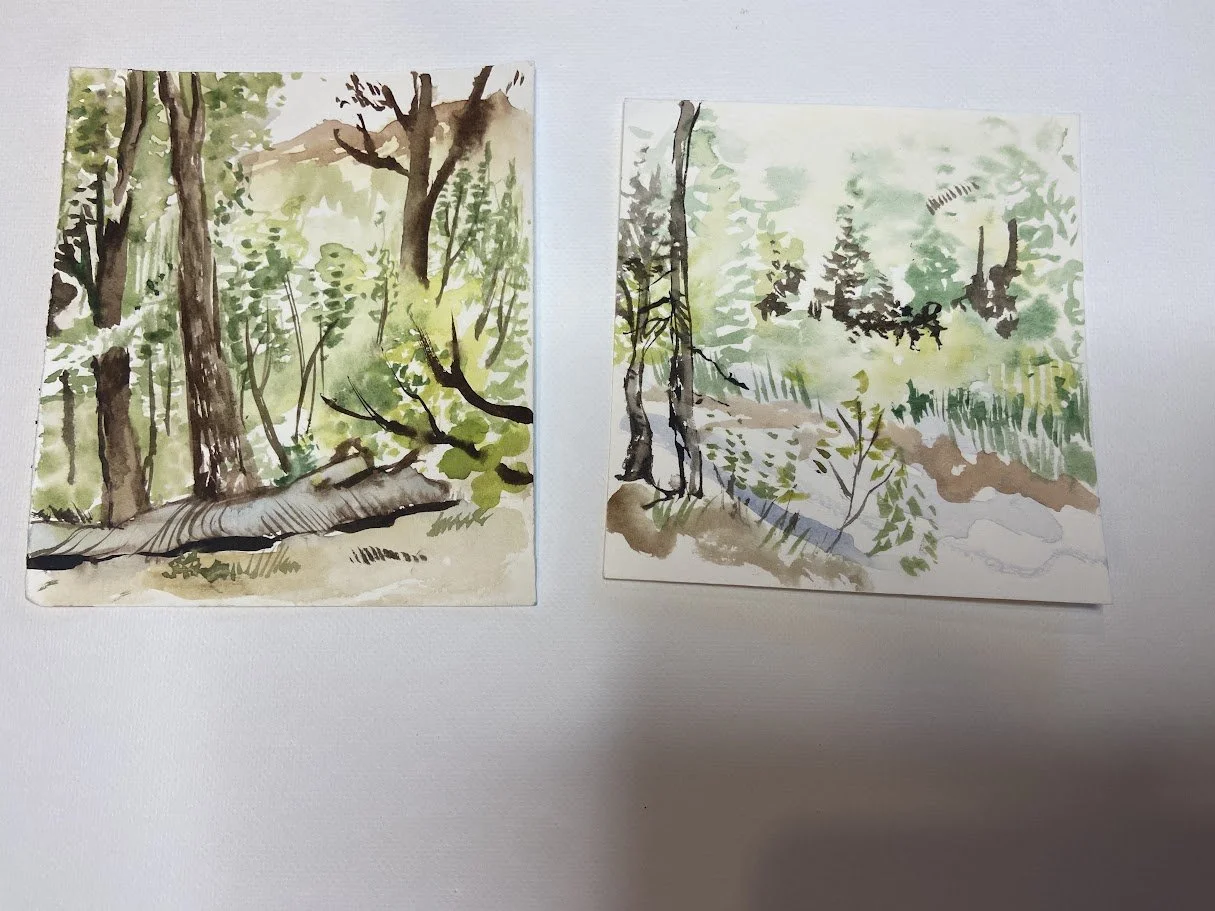
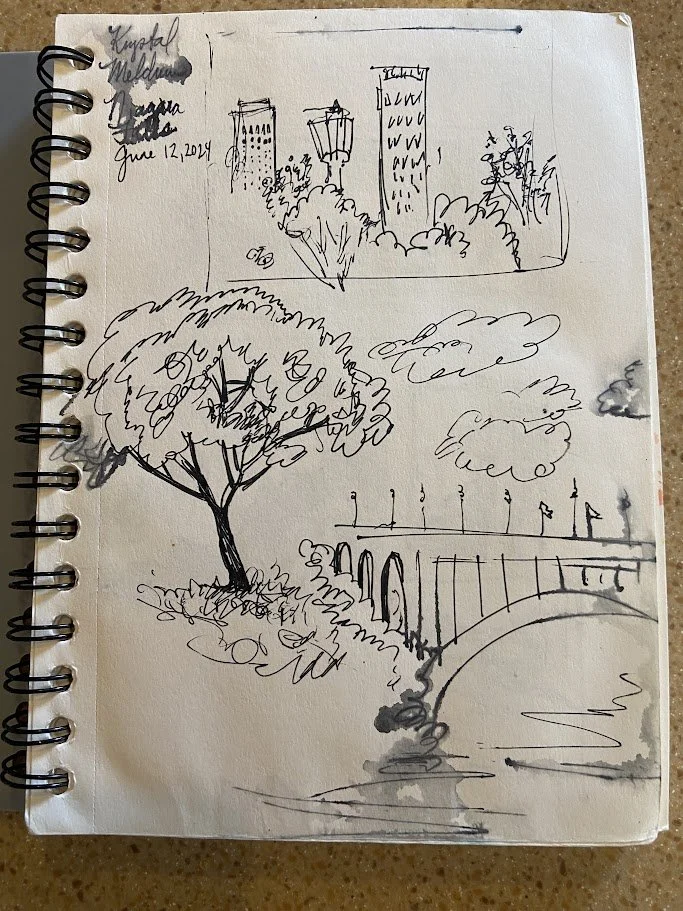
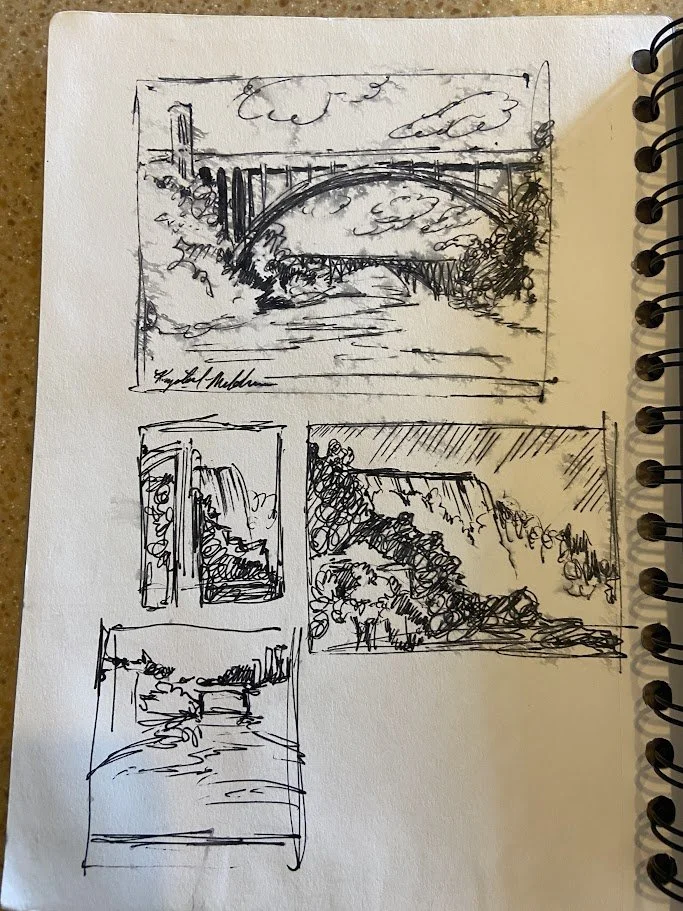
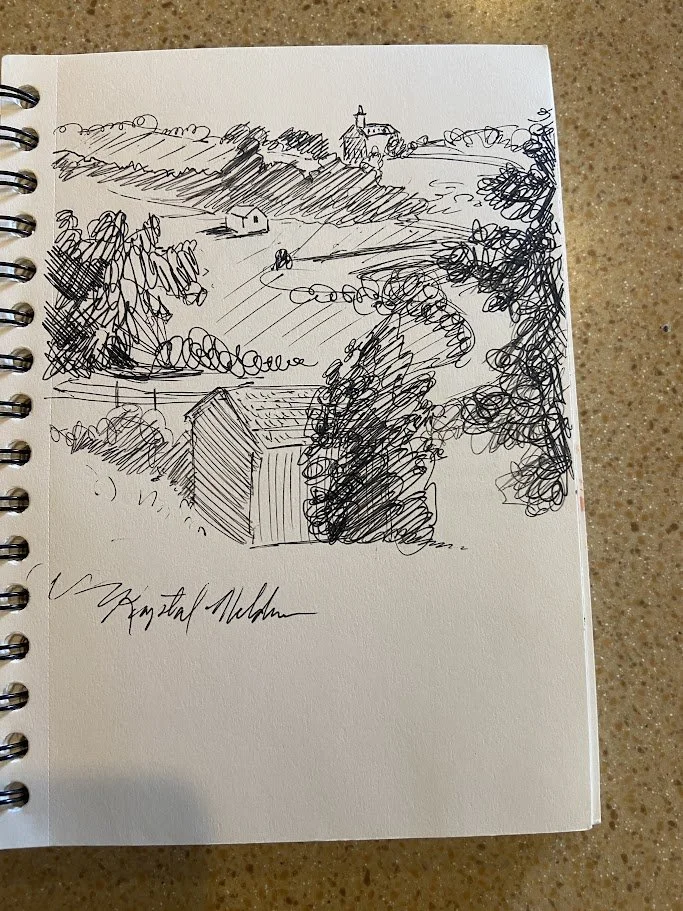
If you’ve ever thought, “I’m not an artist, so how am I supposed to teach art at home?” …you are not alone.
Many homeschool parents want their children to have meaningful art instruction, but they feel unqualified, short on time, or overwhelmed by random craft projects that do not seem to build real skills.
The good news is this:
You do not have to be an artist to teach art at home.
You need a simple plan, approachable materials, and step-by-step art lessons for kids that help your child grow one skill at a time.
You Don’t Have to Be an Artist to Begin
If you are searching for how to teach art at home, start here:
You do not need to know everything.
You need a welcoming place to begin.
You need lessons that are clear.
You need projects that teach real skills.
And your child needs permission to practice, experiment, and become better over time.Start With Art Skills, Not Perfect Projects
One of the biggest misconceptions about art is that you either have talent or you do not.
But art is a skill that anyone can learn. Everyone learns to read, and everyone can learn to draw. Everyone can learn music, even if they don’t play in the orchestra.
Drawing, painting, shading, composition, color mixing, and observation can be practiced and learned.
If your child says, “I can’t draw,” the goal is not to convince them that every drawing is perfect.
Instead, help them learn:
how to see simple shapes inside complicated objects
how to sketch lightly before adding details
how to create light and shadow
how to mix and layer color
how to correct mistakes
how to practice without expecting perfection
A good homeschool art curriculum for beginners should make those skills feel understandable instead of intimidating.
Look for Step-by-Step Art Lessons
If you are not artistic yourself, you should not have to invent every lesson from scratch.
Look for step-by-step art lessons for kids that show both the process and the finished result.
A strong beginner lesson should answer questions like:
What supplies do we need?
What do we do first?
What basic shapes should we look for?
Where should the darkest values go?
What happens if we make a mistake?
What should the finished project roughly look like?
Clear instructions take pressure off both the parent and the student. You become the guide instead of feeling like you have to be the expert.
Use Beginner-Friendly Supplies
You do not need a professional art studio to teach art at home.
A simple collection of supplies can go a long way:
drawing paper
pencils and erasers
colored pencils
crayons
watercolor paints
acrylic paint
a few brushes
scissors and glue
magazines or scrapbook paper
For many beginner drawing lessons for homeschool students, a pencil and paper are enough.
The goal is not to buy everything.
The goal is to help your child use a few supplies often enough to become comfortable and confident with them.
Teach Your Child to See Like an Artist
Before your child draws something, encourage them to really look at it.
Ask:
What shapes do you see?
Where is the light coming from?
Which area is darkest?
What is in front? What is behind?
Is the object taller or wider?
These questions teach observation.
And observation is one of the most important skills in art.
A complicated elephant, castle, peacock, or flower becomes much easier when a student learns to break it into circles, ovals, rectangles, lines, and simple masses.
Let the First Lines Be Messy
Many children freeze because they think the first line has to be right.
It does not. Don’t use erasers. “Beauty marks are good.” These searching lines show where you have been and where you want to go. They give your drawing energy and movement. Artists often begin with faint guidelines for the rough shapes, and what I call ghost lines.
These lines help students figure out placement and proportion before they commit to details.
This is especially important in drawing lessons for homeschoolers, because students need permission to experiment without feeling like every mark is permanent.
A messy beginning is not failure.
It is part of the process.
Choose Projects That Build Real Skills
Homeschool art can be fun without becoming just another craft.
Look for projects that teach a skill while still giving the student room to create.
For example:
graphite drawing to practice value and shading
watercolor to explore transparency and blending
acrylic painting to learn layering and color mixing
collage to practice composition
still life to study light and shadow
animal drawing to practice shape and proportion
art journaling to combine creativity with reflection
This is the difference between simply keeping a child busy and helping them study to become an artist.
Make Art Fit Into Your Homeschool Day
You do not need a giant block of time.
Even a short, consistent routine can help.
You might try:
Sketchbook Monday — draw for 10 minutes.
Watercolor Wednesday — practice one watercolor technique.
Fine Art Friday — study an artist or finish a larger project.
Small habits add up.
And for a creative child, having art built into the week can make homeschool feel much more alive.
Remember my friend . . .
Art is not a talent, it is a skill that anyone can learn.
If your child loves to create, you do not have to wait until you feel qualified to help them. You can begin with one project.
One pencil.
One brush.
One piece of paper.
And little by little, your child can grow into an artist … and you can too if you desire.